Studley Engineering's Requirements
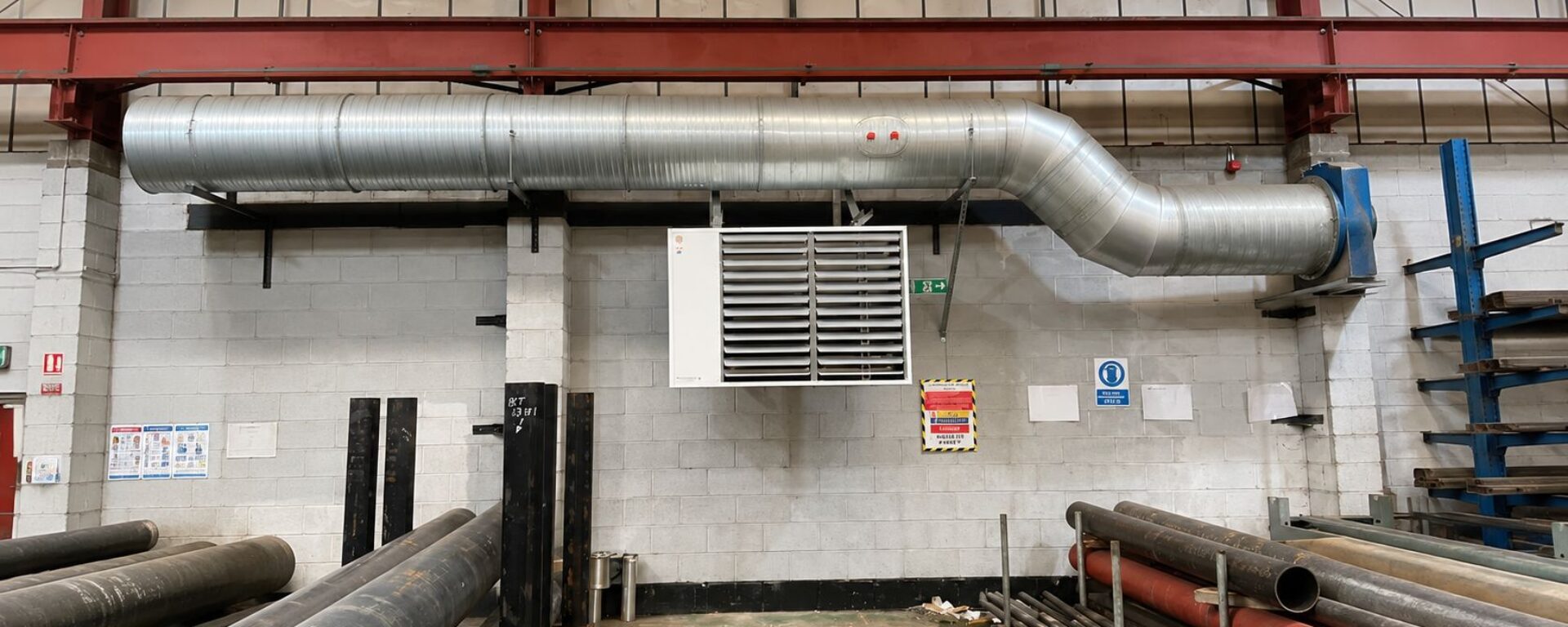
The main factory was split into 2 large workshops that manufacture steel and metalwork – At the time of enquiry, the 2 workshops were being heated by obsolete Combat natural gas-fired floor standing cabinet heaters (2 cabinet heaters per workshop) that delivered 297 kw output per heater and delivering a combined kw output of 1188 kw across all 4 cabinet heaters within the factory.
The cabinet heaters were 20+ years in age and from new had been 80% efficient however over the years the efficiencies of the heaters had naturally reduced due to age, and related wear and tear and were now estimated to be 60-65%.
The ceiling height within each of the 2 workshops was 6.4m eaves and 8.4m to the highest apex, however, there was no destratification system in place, allowing all the heat from the Combat heaters to rise upwards and gather under the ceiling, resulting in wasted energy and excessive energy bills.
When contacting OKEL the customer’s main priority was to find a way to reduce their energy usage and energy bills as significant increases to energy tariffs were of real concern given the size of the premises to be heated.
OKEL’s Solution
When designing the new heating system for Studley Engineering our priority was how we could save the customer money on their excessive energy bills moving forward while not compromising on the overall effectiveness of a new heating system.
By first tackling the wasted heat escaping from the poorly insulated roof space we proposed introducing industrial Winterwarm WCU destratification fans at height throughout each of the workshops – the purpose of the destratification fans being to reclaim heat gathered directly below the ceiling and to return it to the lower ground where it is of most benefit to the workforce and manufacturing processes.
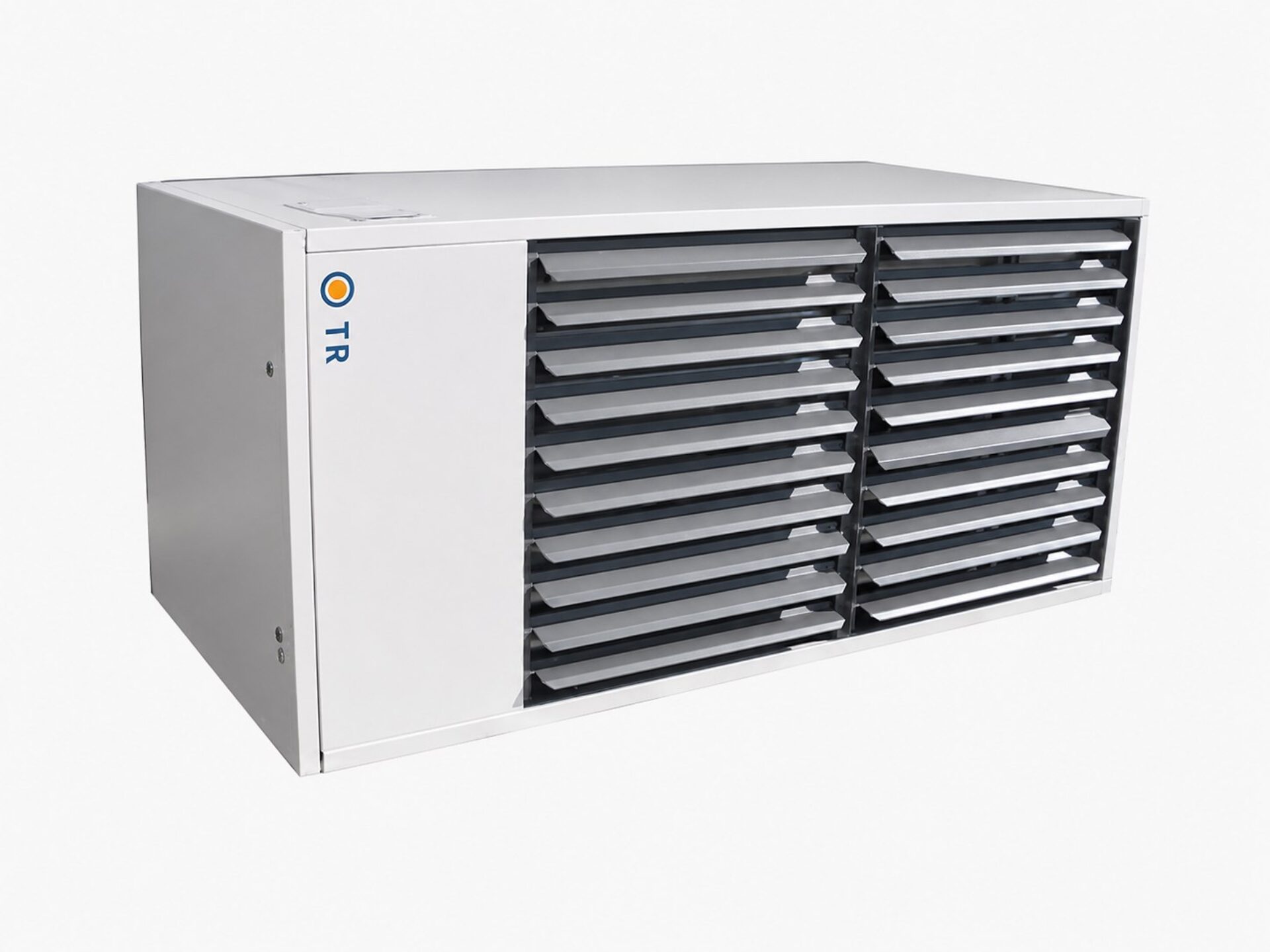
Secondly, we wanted to identify whether we could reduce the total KWS needed to heat the open plan areas, and to do so we chose in favour of a Winterwarm warm air heating system (96% efficient from new) and approximately 30% more efficient than the existing combat heaters (in current form). The warm air heaters would be wall-mounted below the gantry that ran the length of the building.
Secondly, we wanted to identify whether we could reduce the total KWS needed to heat the open plan areas, and to do so we chose in favour of a Winterwarm warm air heating system (96% efficient from new) and approximately 30% more efficient than the existing combat heaters (in current form). The warm air heaters would be wall-mounted below the gantry that ran the length of the building.
An expertly designed warm air and destratification system can reduce energy consumption by up to 40%! ”
Studley Engineering's Results
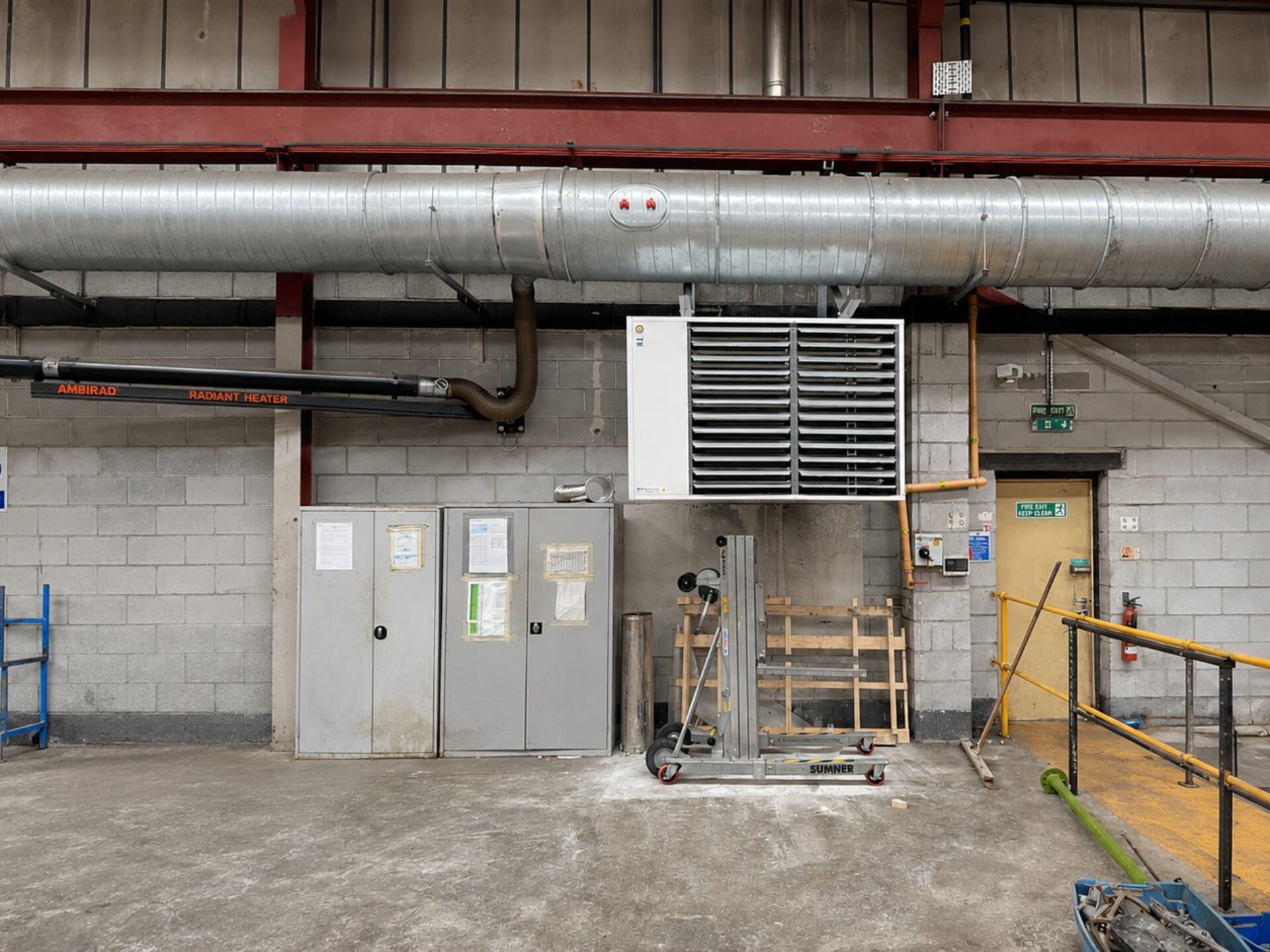
At the time of preparing the customer proposal, we gave the customer 2 options to consider: –
- To introduce a destratification system only.
- To introduce a modern warm air and destratification combined heating system.
Given the ongoing energy savings that the customer could expect to achieve with option 2, the customer decided to invest in the combined heating and destratification solution.
The installation was completed to schedule with the new heating system being fully operational in time for the winter months so the customer could benefit from the comfort and energy savings with immediate effect.
All works were completed to schedule with the new heating system being fully operational in time for the winter months.
Whether that’s heating a large warehouse at a consistent temperature, or tackling older buildings with poor insulation. OKEL will have a factory heating solution for you.