






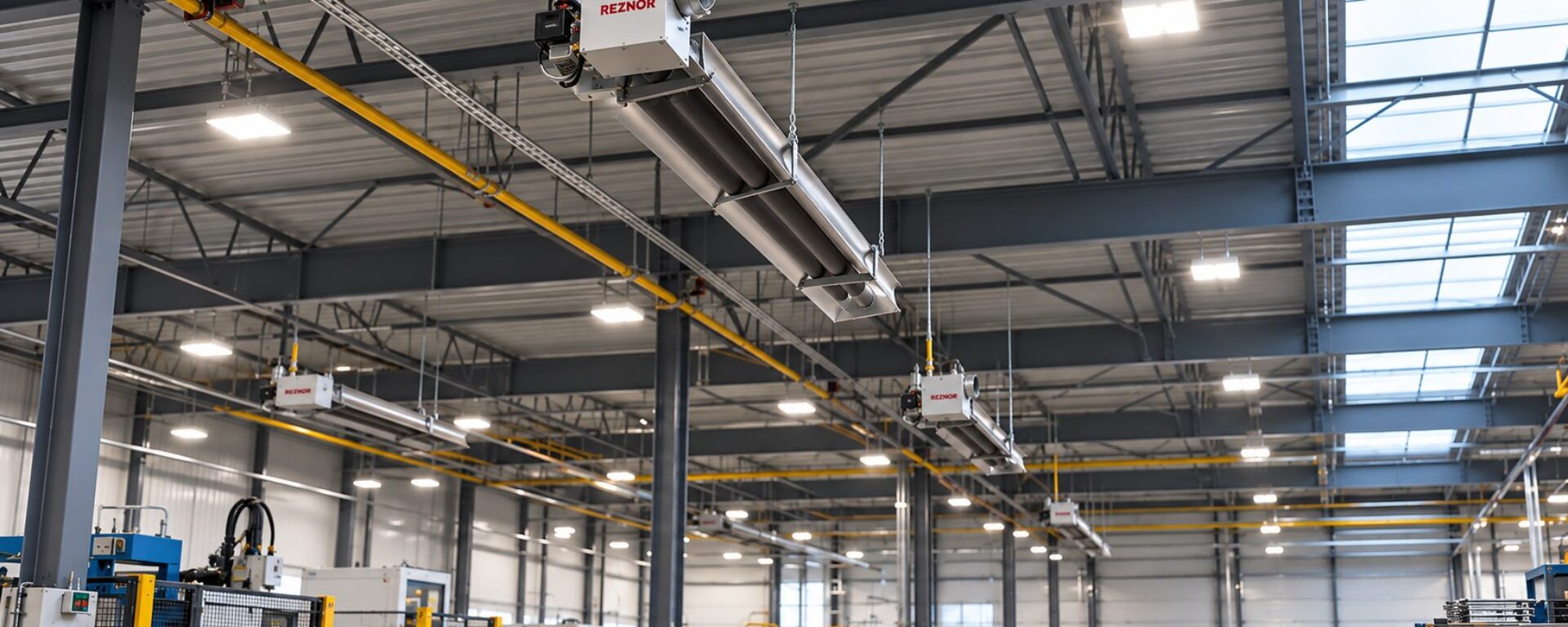
Radiant Tube Heating Explained
Radiant tube heating is a more localised and focused form of heating compared to traditional forced-air systems. Radiant tube heating is often used in industrial settings, warehouses, and commercial spaces where a consistent and even heat distribution is desired. The method can be energy-efficient and provides a comfortable warmth without the circulation of air.
Our team has over 25 years of experience designing, planning and installing radiant tube heating in many sectors across the UK. With payment options to make your space energy efficient in no time.
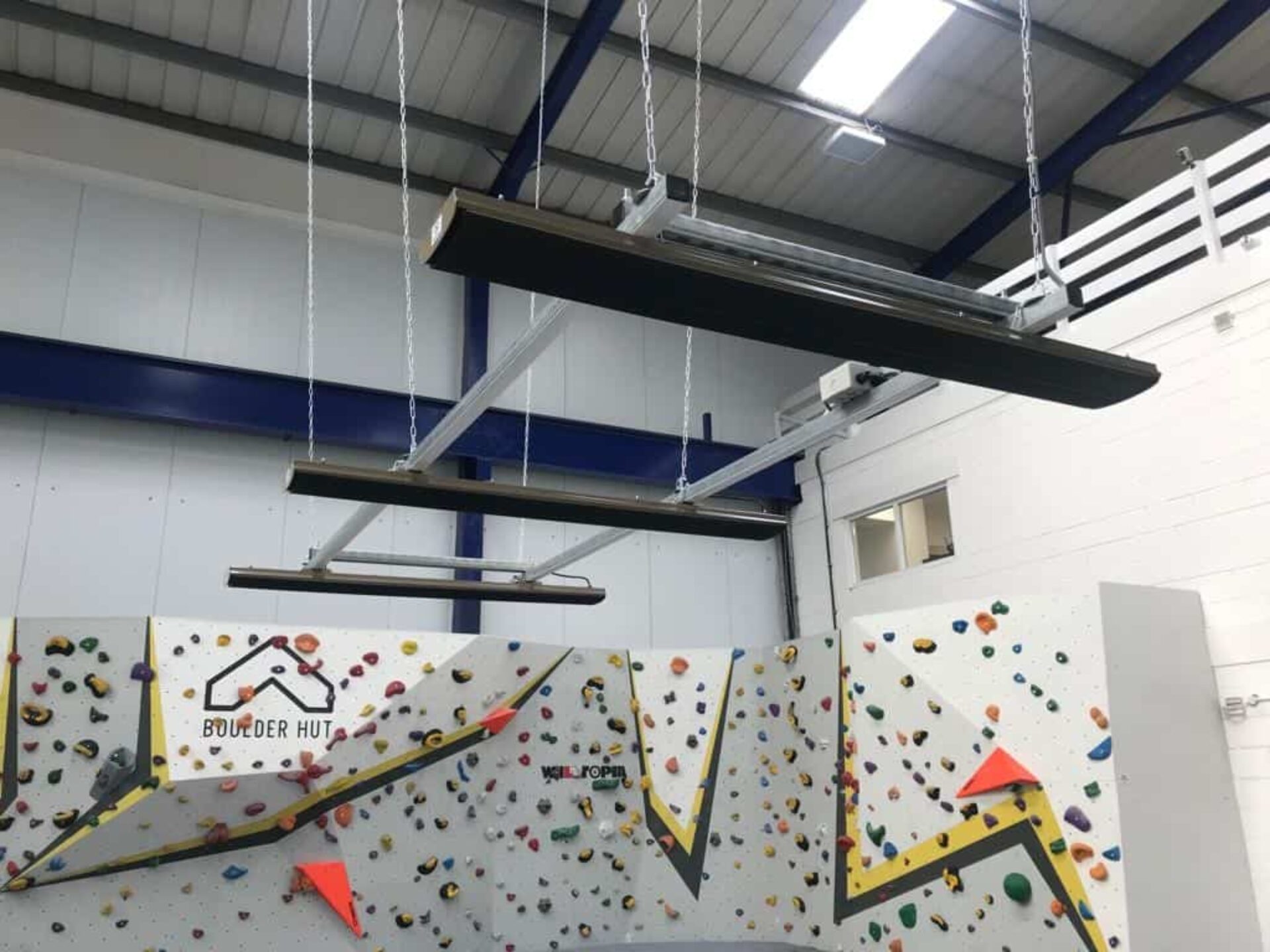




Why Choose OKEL for Electric Far Infrared Systems?
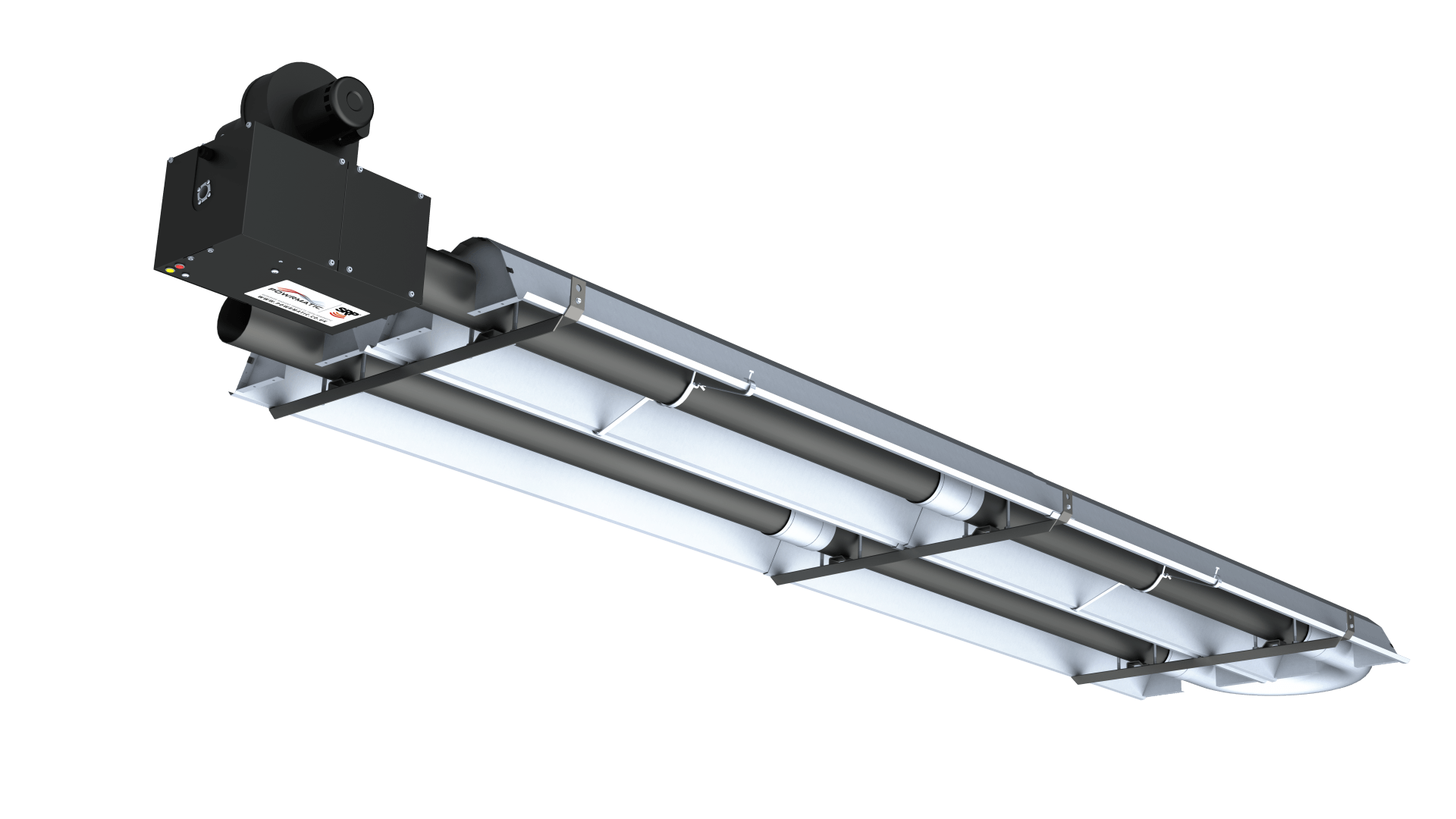
Radiant Tube heaters offer low-intensity heat and exceptional energy efficiency. They are often mounted overhead, ideal for buildings with lower ceilings, and unlike other forms of heating, Radiant far infrared heat transports through the air without heating it. It heats only the people, machinery, or objects it encounters, therefore removing unnecessary costs associated with heating unoccupied space.
The precision at which they heat makes Radiant Tubes the perfect heat solution for companies looking to spot heat in certain areas, premises with high levels of air changes or those prone to large amounts of heat loss caused by roller shutter doors.
We have a wealth of experience designing and installing Radiant Heating Solutions in Factories and Warehouses across the UK, ensuring the equipment chosen for each project is of the highest efficiency and supported by intelligent self-optimising controls to achieve optimum performance throughout the year.
When identifying the most efficient and effective form of heating for a Factory, Warehouse, or large commercial and industrial spaces, there are several factors for our team to consider:
- Age of the building.
- Level of insulation.
- Hours of operation.
- Fuel type available on-site.
- Extraction systems and roller shutter entrances.
- Layout of the area; mezzanine floors, plant machinery and racking.
- Manufacturing processes taking place within the premises.
- Health and Safety guidelines for working temperatures.
- Ideal temperature to achieve quality manufacturing and storage of stock.
- Dimensions and maximum height.
Our Radiant Tube Installation Process
On-Site Consultation
One of our expert engineers will visit your site to perform a free survey and discuss your unique requirements to find the right far infrared system for you.
Bespoke Design
Based on our survey and your property’s needs, we’ll provide a custom design for an energy-efficient, cost-effective targeted heating system.
Pre-Installation Planning
Before installation begins, we perform detailed risk assessments and schedule the installation to minimise disruption as much as possible. We will also decide on the best mounting options to achieve the results you need for your commercial space.
Installation
Our team of fully accredited and highly experienced engineers deliver a safe, reliable and streamlined installation.
Handover and Sign-Off
We provide training on your new radiant heating system and ensure everything is working to your satisfaction.
Ongoing Aftercare
We offer full warranty protection as well as an annual maintenance service to keep your radiant heating system in top condition. If you notice any drop in efficiency, don’t hesitate to contact our team so we can resolve the issue as quickly as possible.
Frequently Asked Questions
- How do Radiant Tube Heaters work?
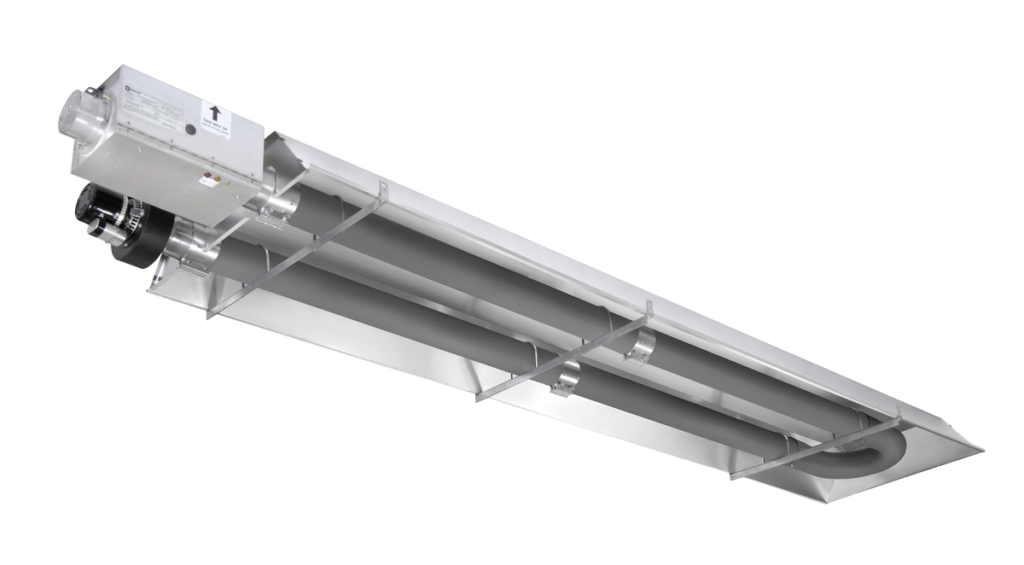
Radiant tube heating utilises radiant energy to warm spaces. In this setup, tubes are positioned in the targeted area, housing a heating element such as a gas flame or electric coil. The heating element warms the tubes, which then emit infrared radiation, effectively heating objects and surfaces, including people in the room.
This approach offers a more concentrated and targeted heating solution compared to conventional forced-air systems. Commonly applied in industrial, warehouse, and commercial settings, radiant tube heating ensures a uniform and consistent distribution of warmth. Its energy efficiency and ability to provide comfortable heat without air circulation make it a favoured method in various applications.
- Are Radiant Tube Heaters energy efficient?
Radiant tube heaters can result in energy savings because they minimise heat loss associated with air movement and duct losses. Additionally, since they heat specific areas or objects, users can often achieve comfortable temperatures with lower overall energy consumption.
The actual efficiency can depend on factors such as the insulation of the space, the type of heating element used and the specific design of the radiant tube heating system. Regular maintenance and proper installation are crucial for optimising energy efficiency.
- Are Radiant Tube Heaters worth it?
Whether radiant tube heaters are worth it depends on various factors, including your specific heating needs, the characteristics of the space and your personal preferences. Some things to consider are preference for energy efficiency, cost of installation and upkeep, comfort of your staff and visitors, and maintenance requirements. Local climate can also come into play, if you’re based in a colder environment, Radiant Heating can take longer to heat the target areas.
In summary, if energy efficiency, comfort, and tailored heating are important to you, and you’re willing to invest upfront, radiant tube heaters could be worth it. However, it’s advisable to consult with us to assess your specific situation and determine the most suitable heating solution.
- What size Radiant Tube Heaters do I need?
Determining the size of the Radiant Tube Heaters you’ll need involves considering several factors related to the space you want to heat.
Firstly, calculate the square footage of the area you want to heat. This is a fundamental factor in determining the heating capacity required. The height of the ceiling is crucial. Higher ceilings may require more powerful radiant tube heaters to ensure effective heating.
Consider the insulation of the space. Well-insulated areas retain heat better, so you may need a smaller heating capacity compared to poorly insulated spaces. As mentioned before, the climate of your location also influences the heating requirements, as colder climates may necessitate a higher heating capacity.
The intended use of the space matters. For example, industrial spaces with equipment that generates heat may require less heating capacity than a space where people need to maintain a comfortable temperature. Different types of radiant tube heaters have varying heating capacities too. Once all of these aspects are considered, you’ll have a better understanding of the amount and type of radiant tube heaters you need. As part of our service, we offer a Free Site Audit, which will assess all of these aspects and provide you with the data you need to make an informed decision on your heating solution.