







Types of Care Home Air Conditioning Solutions
Split Systems
One of the most popular choices for care homes in the UK. These systems connect up to five indoor units to a single outdoor unit, allowing for simple installation and effective zoned temperature control across individual rooms or smaller areas.
Ceiling Cassette Units
Commonly used in larger communal spaces such as dining rooms, lounges, and reception areas. Installed flush within the ceiling, these units provide discreet, even air distribution and consistent temperature control across open areas.
Wall-Mounted Units
A practical and widely used option for individual bedrooms and smaller spaces. Installed high on the wall, these units offer efficient, easy-to-control cooling and heating while taking up minimal space, making them ideal for resident rooms where comfort and accessibility are key.
Variable Refrigerant Flow (VRF)
Ideal for larger care homes that require precise temperature control in multiple zones. VRF systems link numerous indoor units to one outdoor unit, enabling independent temperature management throughout different areas of the building.





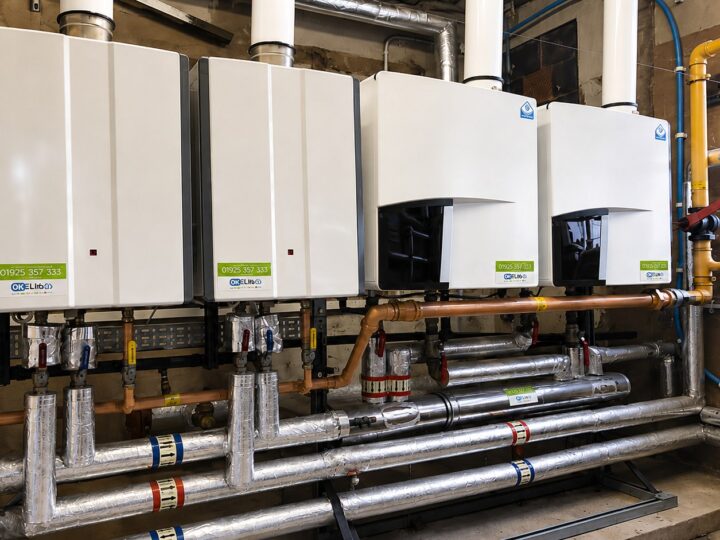
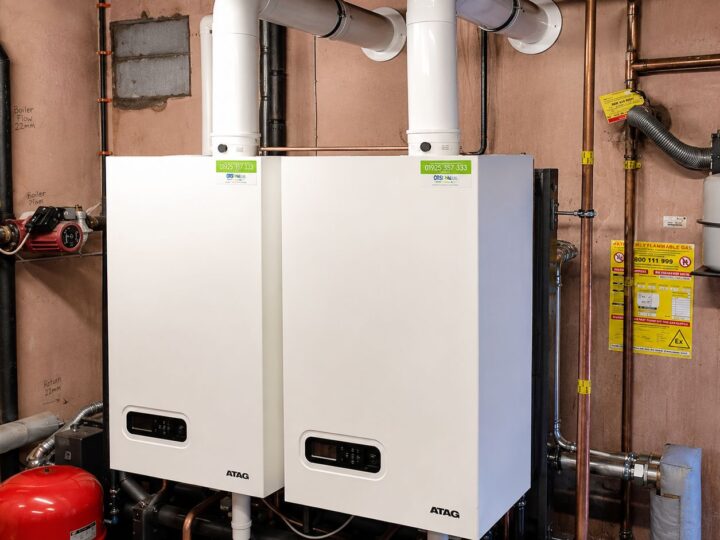
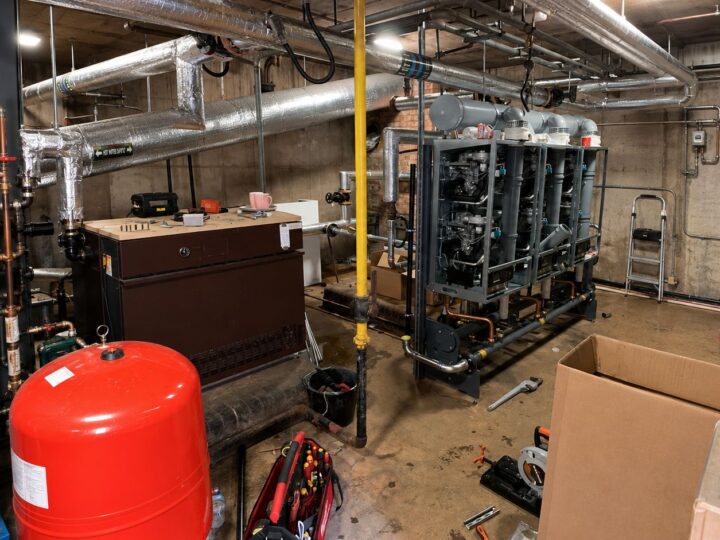
Care Home Air Conditioning Case Studies
Why Choose OKEL for Care Home Air Conditioning Solutions?
Care home residents are particularly sensitive to changes in temperature and air quality, making reliable climate control essential. A well-designed air conditioning system helps maintain a safe, comfortable environment that supports both resident well-being and staff peace of mind.
At OKEL, we specialise in bespoke, energy-efficient air conditioning solutions designed specifically for care settings. Our systems help regulate temperature precisely while improving indoor air quality through advanced filtration that helps reduce airborne pollutants and create a healthier environment.
Protect vulnerable residents: Older adults and individuals with underlying health conditions are more susceptible to heat stress. Maintaining stable, controlled temperatures helps reduce health risks and ensures a safer living environment.
Support compliance with guidance: UK care home standards encourage the provision of cool, comfortable spaces during periods of high temperature. Air conditioning can help maintain consistent temperature control across designated areas, especially during warmer months.
Bespoke system design: Every care home is different, which is why we design fully tailored air conditioning systems to suit your building layout, occupancy needs, and operational requirements, ensuring optimal performance and comfort.
Energy-efficient cooling: Our systems are engineered with efficiency in mind, helping care homes reduce energy consumption and running costs while maintaining high levels of comfort and reliability year-round.
Our Care Home Air Cooling Installation Process
On-Site Consultation
One of our experienced team will visit your care home to carry out a free site survey. We’ll assess your requirements, understand your building layout, and recommend the most suitable air conditioning solution for your environment.
Bespoke System Design
Using the findings from our survey, we create a tailored, energy-efficient air conditioning design that meets the specific needs of your care home, ensuring comfort, efficiency, and compliance.
Pre-Installation Planning
Before any work begins, we complete detailed risk assessments and carefully plan the installation schedule. We work flexibly and at agreed times to minimise disruption to residents and ensure your care home continues to operate smoothly.
Professional Installation
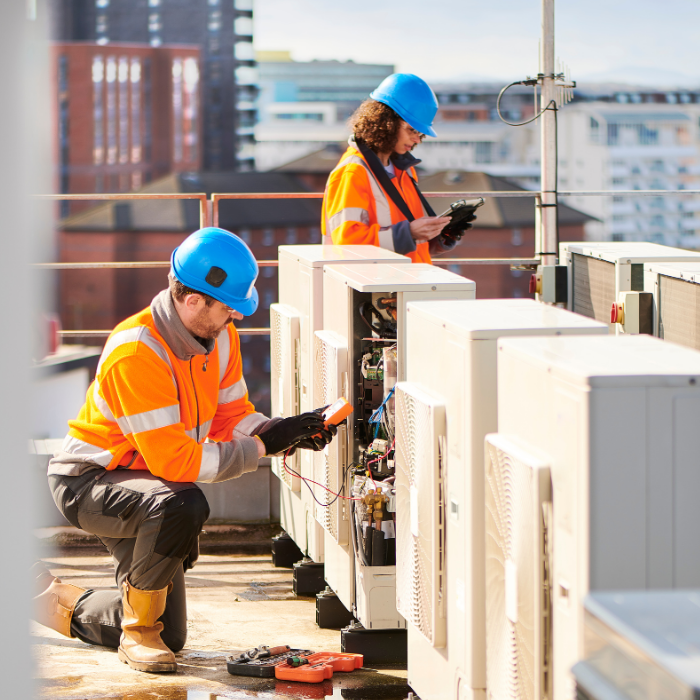
Our fully accredited engineers carry out the installation safely, efficiently, and with minimal impact on daily routines. We prioritise clear communication and tidy, respectful working practices throughout.
Handover and Training
Once installation is complete, we walk your team through the system, ensuring they understand how to operate and manage it confidently. We also confirm that everything is functioning correctly and meets your expectations.
Ongoing Aftercare and Maintenance
We provide full warranty support alongside optional planned maintenance services to keep your AC system running efficiently, reliably, and in peak condition all year round.

Frequently Asked Questions
- How much does a care home air conditioning system cost?
All of our care home air conditioning systems are bespoke, so costs vary depending on the type of system required, the size of the building, and the complexity of the installation, including access considerations.
Following a free on-site consultation, we’ll assess your requirements and provide a detailed, no-obligation quotation tailored specifically to your care home.
- Who can install a care home air conditioning system?
Care home air conditioning systems are complex commercial installations that must be carried out by qualified, F-Gas-accredited engineers. At OKEL, our experienced team manages the entire process, from initial design and installation through to commissioning, servicing, and ongoing maintenance.
- How long does it take to install a care home air conditioning system?
Installation times vary depending on the size of the care home, the type of system being installed, and site accessibility. Smaller installations may be completed relatively quickly, while larger or more complex projects take longer.
We always provide a clear timeline following your site survey and plan all works carefully to minimise disruption to residents and staff.
- How frequently will my care home air conditioning require servicing?
Servicing requirements depend on the specific system designed for your care home. Once your installation is complete, we’ll provide clear guidance on recommended maintenance intervals to ensure optimal performance.
We also offer ongoing maintenance packages, including annual servicing, to keep your system operating safely, efficiently, and reliably all year-round.
- Why do care homes need air conditioning?
UK temperatures are increasing year on year, and many buildings are not designed to cope with prolonged heat. For care homes, maintaining a safe and stable indoor temperature is essential, particularly as residents are often more vulnerable to heat-related illness.
Government guidance recommends keeping indoor temperatures around 18°C, which can be difficult to maintain without an active cooling system during warmer months.
Air conditioning helps reduce the risk of heat stress and dehydration while supporting a more comfortable, controlled environment. In addition, modern systems can improve indoor air quality by filtering airborne particles, bacteria, and viruses through continuous air circulation.